Cart
0

Learning to drive a manual transmission car is a rite of passage for many driving enthusiasts and automotive purists. Whether you call it a manual car, stick shift, or standard transmission, the vehicle’s ability to directly connect you to the road through gear changes offers a level of control that automatics simply can't replicate. Yet, driving manual isn't just a nostalgic pursuit—it’s also a practical skill, providing better fuel economy, less vehicle theft risk, and more driver engagement.
In this guide, we’ll break down everything you need to know about driving and owning a manual transmission vehicle—from the mechanics of gearbox shifting to how to actually operate a stick shift car safely and efficiently. Whether you're curious about how to drive a manual transmission for the first time or looking for manual driving lessons online, this article provides a comprehensive, step-by-step walkthrough—with tips, benefits, and critical beginner pitfalls you’ll want to avoid.

Understanding the Manual Transmission
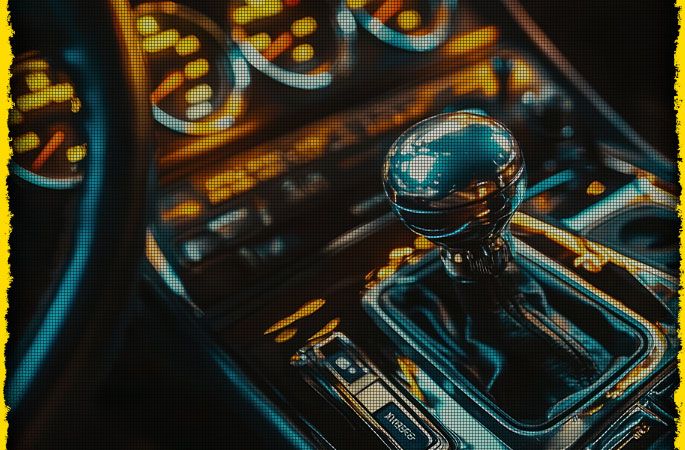
If you've only driven automatic cars, a manual—or standard—transmission might initially seem intimidating. However, it simply requires an understanding of how the gearbox interacts with engine speed and vehicle movement. A typical stick shift features a clutch pedal, gear shifter, and a linkage system that manually engages and disengages gears.
- Clutch Pedal: Found to the left of the brake, this pedal disconnects the transmission from the engine so you can switch gears.
- Gear Stick: This lever lets you select different gear ratios. Many vehicles use a 5-speed or 6-speed manual pattern.
- Manual Gearbox: Also called a transmission, it includes gear sets that multiply torque and transfer it to the wheels.
Common layouts include the traditional "H-pattern" gear shifter with options like 5-speed manual transmissions, the rarer “three on the tree” column shifter, and occasionally performance-oriented dog-leg patterns.
Why Drive a Manual Car?
The argument of manual vs automatic comes up frequently among those researching the best way to engage with driving. While automatics are dominant on today’s roads, manual transmission cars still offer several distinct advantages:
- Driver Engagement: Stick shift requires more focus and coordination, helping drivers become more in tune with their vehicle.
- Fuel Efficiency: Manuals often deliver better fuel economy in certain conditions due to reduced parasitic power loss.
- Cost: Manual cars generally come with lower upfront costs and simpler long-term maintenance.
- Theft Deterrent: Many thieves are unable to drive or unwilling to steal stick shift vehicles.
- Performance Control: With manual gear selection, you can choose precisely when to upshift, downshift, or hold a gear for better power delivery.
How to Drive Manual: Step-by-Step Guide
Many people search how to drive a manual or how to drive a stick shift, and while it's a skill that can take time to perfect, it becomes second nature with practice. Here’s a breakdown for those starting out:
- Start the Car: Press the clutch pedal fully and keep your foot on the brake. Shift the transmission to neutral before turning the key.
- Engage First Gear: With the clutch still fully pressed, move the gear shifter into first gear.
- Accelerate and Release Clutch: Slowly release the clutch while gently pressing the gas. The car will move forward once you find the clutch’s “bite point.”
- Upshift: Once engine RPMs climb (typically around 2,500–3,000), press the clutch, shift into second gear, then release the clutch smoothly as you apply throttle.
- Downshift: As you prepare to slow down, downshift by pressing the clutch and shifting into a lower gear. Use rev matching techniques to keep the transition smooth and minimized engine braking impact.
- Stopping: Press the clutch and brake when slowing. To come to a full stop, shift into neutral and release the clutch.
Common Beginner Mistakes That Wear Out Clutches
Preserving the lifespan of your manual transmission components starts with correcting bad habits. New drivers often develop errors that can lead to premature clutch failure and transmission repairs. Here are the most common:
- Riding the Clutch: Keeping your foot lightly pressed on the clutch can cause unnecessary wear on the throwout bearing and clutch disc.
- Holding Clutch at Stops: Shift into neutral instead of keeping the clutch engaged at long red lights.
- Launching Aggressively: Sudden clutch releases at high RPM may give a brief adrenaline rush, but will destroy your clutch quickly.
- Skipping Gears Improperly: While advanced drivers can skip gears safely using double clutch and rev matching, beginners should follow sequential shifts.
Rev Matching Techniques for Smooth Shifts
Rev matching is the art of synchronizing engine RPM with wheel speed during a downshift. This not only results in smoother gear changes but also reduces strain on the drivetrain and enhances vehicle stability. Here’s a quick guide:
- Before downshifting, quickly blip the throttle while in neutral and clutch engaged during the shift.
- The goal is to match the RPM of the lower gear before disengaging the clutch.
- This helps prevent the car from jerking forward and eases the load on the clutch.
Practicing this technique leads to smoother, sportier driving and prolongs component life.
When to Upgrade from Stock Clutch for Spirited Driving
If your driving style often includes aggressive takeoffs, towing, or high-speed corner exits, it's probably time to consider a clutch upgrade. A stock clutch is designed for everyday use, but high-performance demands require clutch kits engineered to handle greater loads and heat.
Whether you're building a track car, upgrading your flywheel assembly, or just looking for reliability during spirited drives, aftermarket kits offer stronger pressure plates, durable friction materials, and improved torque handling. Browse our range of clutch kits to find one matched to your power goals.
Top Manual Transmission Cars You Should Know
Despite being less common in today’s marketplace, there are still many great options for cars with manual transmission. Here are standout categories:
- Performance: Mazda MX-5 Miata, Honda Civic Si, Ford Mustang GT
- Hot Hatches: VW Golf GTI, Hyundai Veloster N, Honda Civic Type R
- Budget-Friendly: Nissan Versa S, Kia Rio, Mitsubishi Mirage
- Classic Cruisers: Chevrolet Bel Air, Ford F-100, older BMW 3-series
Each vehicle speaks to different needs, from pure track days to economical commuting or vintage restoration. As long as you know how to drive stick, a whole world of driving experiences opens up.
What to Take from Manual Driving Lessons
If you're still unsure about your driving abilities, consider manual transmission driving lessons through local instructors or driving academies. These programs offer:
- Hands-on coaching in modern or vintage manual transmission cars
- Safe, low-pressure environments for learning clutch control
- Personalized techniques tailored to your pace and learning style
Additionally, it's easier than ever to find online resources showing things like a stick shift diagram without the labels or full video tutorials on how to drive a manual car, which make learning from home a more accessible option than ever before.
Related Products
 |
 |
 |
Driving a manual is not just about controlling a vehicle—it's about becoming one with it. Learning to shift gears with precision not only improves your technical ability behind the wheel but also enhances your understanding of automotive mechanics. Whether you’re starting out or stepping up to high-performance clutch setups for spirited driving, South Bend Clutch offers the technical expertise and product quality to match your journey.